Where can you see shoebills in Japan? All 8 zoos and bird parks
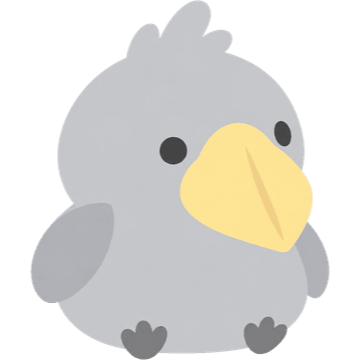
There are 8 facilities in Japan where you can see shoebills (as of October 2026). Japan has 15 shoebills, and 2 of them are currently off display.
At a glance
This article walks through 7 topics, in this order.
- List of zoos where you can see shoebills
- Zoos where you can see shoebills in Kanto (Tokyo area)
- Where to see shoebills in Tokai (Shizuoka and Nagoya area)
- Zoos where you can see shoebills in Kansai (Osaka and Kobe area)
- Where to see shoebills in Chugoku (western Honshu)
- Zoos where you can see shoebills in Shikoku
…and 1 more in the contents below.
Contents
- List of zoos where you can see shoebills
- Zoos where you can see shoebills in Kanto (Tokyo area)
- Where to see shoebills in Tokai (Shizuoka and Nagoya area)
- Zoos where you can see shoebills in Kansai (Osaka and Kobe area)
- Where to see shoebills in Chugoku (western Honshu)
- Zoos where you can see shoebills in Shikoku
- Before you go to see shoebills
 Kou
This information was checked against each facility's official website and official announcements on October 17, 2026. Shoebills sometimes move between facilities, for example for breeding. Before you go, always check the facility's official information.
List of zoos where you can see shoebills
Here are the zoos and bird parks where you can meet shoebills, grouped by region.
| Region | Facility | Prefecture | Shoebills you can see |
|---|---|---|---|
| Kanto (Tokyo area) | Ueno Zoo (恩賜上野動物園) | Tokyo | Asante, Sana, Milly, Hatuwe (2 birds are to move to an off-exhibit facility for breeding; the October 26 date was postponed and no new date is set) |
| Kanto (Tokyo area) | Nasu Animal Kingdom (那須どうぶつ王国) | Tochigi | Bongo |
| Kanto (Tokyo area) | Chiba Zoological Park (千葉市動物公園) | Chiba | Shizuka, Jitto (off display until around spring 2028) |
| Tokai (Shizuoka and Nagoya area) | Kakegawa Kachoen (掛川花鳥園) | Shizuoka | Futaba |
| Kansai (Osaka and Kobe area) | Kobe Animal Kingdom (神戸どうぶつ王国) | Hyogo | Marimba, Sakara, Kuraru |
| Kansai (Osaka and Kobe area) | Meccha Omoroi Zoo (めっちゃおもろい動物園) | Shiga | Hatchan |
| Chugoku (western Honshu) | Matsue Vogel Park (松江フォーゲルパーク) | Shimane | Fudo |
| Shikoku | Kochi Prefectural Noichi Zoological Park (高知県立のいち動物公園) | Kochi | Sasa, Kashishi |
The stories behind each shoebill's name are in Names of Japan's shoebills.
Zoos where you can see shoebills in Kanto (Tokyo area)
Ueno Zoo (恩賜上野動物園), Tokyo
The best-known place to see shoebills in the Kanto region is Ueno Zoo. As of October 2026 it has 4 shoebills, which you can tell apart by the color and number of rings on their right legs.
Here is the key point. Hatuwe and Milly are scheduled to move to an off-exhibit facility inside the zoo for breeding. The move was planned for October 26, but on October 23 the zoo announced it was postponed. No new date is set, and the zoo will announce on its official X account when the move is complete (as of October 23, 2026). For now, you can see all four. The moving day may not be announced in advance, so check the official information before you go.
The Tokyo Metropolitan Government presents the shoebill as one of Ueno Zoo's stars. It has announced the "Hashibiro Cart" (ハシビロカート), an electric cart shaped like a shoebill, and the "Shoebill Lab" (ハシビロコウ研究室), where you can learn about shoebills online.
Nasu Animal Kingdom (那須どうぶつ王国), Tochigi
Nasu Animal Kingdom is home to a male named Bongo (ボンゴ). He moved from Kobe Animal Kingdom at the end of February 2026, and has been on display since March 13 in the "Wetland" (ウェットランド) area. This is the first time in about three years that a shoebill can be seen at Nasu.
Chiba Zoological Park (千葉市動物公園), Chiba
Chiba Zoological Park has a female, Shizuka (しずか, arrived 1989), and a male, Jitto (じっと, arrived 2005). However, from April 8, 2026 until around spring 2028, they are off display. The zoo is renovating its wetland zone and aims for the first shoebill breeding in Asia.
Where to see shoebills in Tokai (Shizuoka and Nagoya area)
Kakegawa Kachoen (掛川花鳥園), Shizuoka
Kakegawa Kachoen is home to a female named Futaba (ふたば). She is famous for bowing deeply to the keepers she likes, and is so popular that several photo books about her have been published. 2026 is Futaba's 10th year at the park, and anniversary events have been announced.
Zoos where you can see shoebills in Kansai (Osaka and Kobe area)
Kobe Animal Kingdom (神戸どうぶつ王国), Hyogo
Kobe Animal Kingdom has a female named Marimba (マリンバ), plus a young pair from the Democratic Republic of the Congo: Sakara (サカラ, male) and Kuraru (クラル, female). In the "Shoebill Habitat Park Big bill" (ハシビロコウ生態園 Big bill), opened in 2021, you can watch them live in an environment close to a real wetland. Their names come from traditional African musical instruments.
Meccha Omoroi Zoo (めっちゃおもろい動物園), Shiga
Meccha Omoroi Zoo is an indoor zoo in Koka City (甲賀市), Shiga Prefecture. It opened on June 11, 2021, and is run by Jacksons Co., Ltd. (株式会社ジャクソンズ). Here you can see a shoebill called Hatchan (はっちゃん). Hatchan's sex and where the bird came from have not been officially stated.
Where to see shoebills in Chugoku (western Honshu)
Matsue Vogel Park (松江フォーゲルパーク), Shimane
Matsue Vogel Park is home to Fudo (フドウ). This is the only place in the Chugoku region where you can see a shoebill. The park shop sells calendars and planners featuring Fudo.
Zoos where you can see shoebills in Shikoku
Kochi Prefectural Noichi Zoological Park (高知県立のいち動物公園), Kochi
Noichi Zoological Park has a male named Sasa (ささ) and a female named Kashishi (カシシ), who came from Nasu Animal Kingdom. Kashishi is said to greet every staff member who enters the shoebill house with a bow.
Before you go to see shoebills
When you go to meet shoebills, it helps to check these three things first.
- Are they on display? Displays sometimes close because of transfers or a bird's health
- Where and when they are shown: at some facilities the indoor and outdoor displays change with the season
- Photography rules: rules on flash and tripods differ from facility to facility
Tips for taking good photos are in How to photograph shoebills.
 Read next
 Japan’s Famous ShoebillsShoebill events 2026: zoo events in Japan, and days that come around every yearShoebill events as of October 23, 2026: Ueno Zoo's Hashibiro Cart and Shoebill Lab, Kobe's autumn event, ended events, free-entry days, bird counts and overseas events.
 Japan’s Famous ShoebillsUeno Zoo shoebill guide: the 4 birds, their names, how to tell them apart and where they areThe shoebills at Ueno Zoo, Tokyo, on one page: the 4 names, telling them apart by leg rings, where the enclosure is, the delayed move of 2 birds, and the best time to go.